





Blog

2026 Best Anti Sensitivity Toothpaste for Global Buyers

Choosing the 2026 best Anti-Sensitivity Toothpaste is not simply a matter of picking the strongest label. Global buyers need evidence, ingredient clarity, and realistic expectations. A toothpaste that calms sharp pain in a cold London morning may feel different in a humid Singapore bathroom. Water quality, dietary habits, brushing pressure, and local product standards can influence daily results.

Dr. Mark S. Wolff, a respected dental educator and researcher, has explained, “Tooth sensitivity is usually the result of exposed dentin.” That detail matters. Ingredients such as potassium nitrate, stannous fluoride, and arginine may support sensitivity relief through different mechanisms. However, they are not interchangeable, and results rarely appear overnight. Some users notice improvement within days. Others need several weeks of consistent brushing.

Small choices matter.

This guide evaluates Anti-Sensitivity Toothpaste for international consumers using practical and professional criteria. We consider active ingredients, fluoride content, enamel safety, flavor intensity, packaging clarity, and suitability for frequent use. Independent dental guidance, manufacturer transparency, and recognized quality certifications also deserve attention. Marketing language alone is not proof.

There is an uncomfortable limitation. Toothpaste cannot correct every cause of sensitivity. Receding gums, enamel erosion, cracks, decay, or recent dental treatment may require professional assessment. Persistent pain should not be disguised with a stronger product. Buyers should check the label, confirm local availability, and ask a dentist when symptoms continue.

The “best” choice is personal.

A reliable comparison must therefore balance clinical evidence with real bathroom experience. This article helps global buyers make that decision more carefully, without promising a perfect solution.
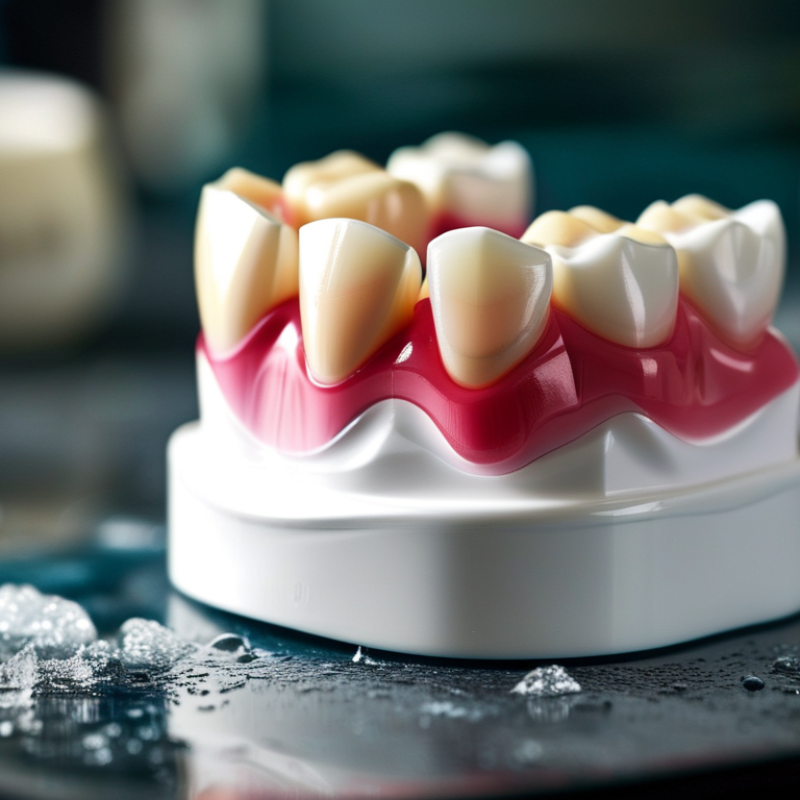
2026 Best Anti Sensitivity Toothpaste for Global Buyers

What Makes a Toothpaste Effective for Sensitive Teeth in 2026

In 2026, an effective toothpaste for sensitive teeth should address exposed dentin, not simply promise a cooler mouth. Sensitivity often begins when enamel wears down or gums recede. Tiny channels then carry hot, cold, or sweet sensations toward the tooth nerve. The formula should contain fluoride to strengthen weakened enamel and help reduce future damage. Many dental professionals also recommend potassium nitrate or stannous fluoride for sensitivity control. These ingredients work differently, so the choice depends on the user’s condition and tolerance.

Look beyond the front label. Check the active ingredients, fluoride level, expiry date, and safety instructions. A toothpaste with gentle abrasives may clean effectively without worsening enamel wear. A soft brush and light pressure also matter. Small changes matter. Brushing twice daily for two minutes gives desensitizing ingredients regular contact with the tooth surface. Spitting without vigorous rinsing may leave more fluoride behind, if local dental guidance supports it.

The result is rarely immediate. Some users notice improvement within several days, while others need several weeks. A toothpaste can look impressive on paper and still feel unpleasant because of strong flavor, foaming, or irritation. That part is often overlooked. If sharp pain continues, affects one tooth, or appears without a clear trigger, toothpaste alone may not solve the problem. Professional examination remains important because decay, cracks, and gum disease can resemble ordinary sensitivity.

Key Ingredients Used in Anti-Sensitivity Toothpaste

Key Ingredients Used in Anti-Sensitivity Toothpaste

Tooth sensitivity often feels like a brief electric shock from cold water or sweet food. The WHO Global Oral Health Status Report 2022 estimates that oral diseases affect nearly 3.5 billion people worldwide. However, sensitivity is not always caused by exposed dentin. Cracks, erosion, gum recession, and untreated decay may create similar symptoms.

Potassium nitrate is widely used to reduce nerve response. Many formulations contain about 5%, although local regulations differ. Fluoride compounds, such as sodium fluoride or stannous fluoride, help strengthen enamel and exposed root surfaces. A common daily toothpaste range is around 1,000–1,500 ppm fluoride, subject to national requirements. Stannous fluoride may also support protection against plaque and gingival inflammation. The evidence is promising, but results vary.

Some products use arginine with calcium-based materials to help block open dentinal tubules. Laboratory images show mineral deposits forming across these tiny channels. That detail matters during repeated cold exposure. Still, laboratory performance does not guarantee identical home results. A 2019 Cochrane review found limited or low-certainty evidence for several sensitivity treatments, so buyers should avoid absolute claims. I would compare active ingredients, fluoride level, abrasivity, and independent testing. Whitening particles can be too abrasive for already exposed surfaces. Gentle brushing matters. So does consistency. Persistent pain needs professional assessment, not endless toothpaste changes.

2026 Best Anti Sensitivity Toothpaste for Global Buyers - Key Ingredients Used in Anti-Sensitivity Toothpaste

Key Ingredient Primary Desensitizing Mechanism Typical Concentration or Form Common Benefits Important Usage Considerations Evidence Level
Potassium Nitrate Potassium ions can reduce the ability of exposed dental nerves to transmit pain signals. Commonly formulated at approximately 5% in sensitivity toothpaste. Suitable for recurring sensitivity triggered by cold, heat, sweet foods, or brushing. Usually requires consistent use for several days to a few weeks. It does not repair cavities or fractured teeth. Well established
Stannous Fluoride Provides fluoride for enamel strengthening and can form a protective layer that helps occlude exposed dentinal tubules. Often used at approximately 0.454% stannous fluoride, providing about 1,100–1,100+ ppm fluoride depending on formulation and market regulations. Helps address sensitivity while supporting cavity prevention and protection of exposed root surfaces. Formulas should be stored as directed because stannous fluoride can be sensitive to formulation stability. Some users may notice temporary surface staining or taste changes. Well established
Sodium Fluoride Strengthens and remineralizes enamel, helping reduce sensitivity caused by early mineral loss and exposed dentin. Common consumer formulations provide about 1,000–1,500 ppm fluoride, subject to local regulations. Useful for daily cavity prevention and protection of teeth that are vulnerable to acid erosion or gum recession. Fluoride toothpaste should be used as directed and should not be swallowed. Children require age-appropriate supervision and product selection. Well established
Arginine Can support deposition of calcium-containing material over exposed dentinal tubules, reducing fluid movement linked to sensitivity. Often used in specialized desensitizing systems, commonly around 8% arginine. May provide relatively rapid relief when used correctly and can be useful for dentin hypersensitivity. Performance depends on the complete formulation and brushing technique. Availability and permitted claims vary by country. Moderate to strong
Calcium Sodium Phosphosilicate Releases calcium and phosphate ions that can form a hydroxyapatite-like mineral layer over exposed dentin. Used as a bioactive glass ingredient; concentration varies by formulation. Helps physically block dentinal tubules and may support protection of sensitive root surfaces. Results can depend on regular use and contact time. It should complement, not replace, professional assessment of persistent pain. Moderate
Hydroxyapatite Supplies a calcium-phosphate mineral similar to the main mineral component of tooth enamel and dentin. Microcrystalline or nano-hydroxyapatite forms are used; concentrations differ considerably among products and regulations. May help fill microscopic surface defects, reduce dentin permeability, and support enamel remineralization. Buyers should verify particle specifications, safety documentation, and local regulatory acceptance, especially for nano-sized materials. Growing evidence
Strontium Salts May reduce dentinal fluid movement and help form a protective deposit over exposed dentin. Historically used in forms such as strontium chloride; permitted concentrations vary by market. Can provide tubule-blocking support for dentin hypersensitivity in certain formulations. Regulatory status, permitted claims, and preferred salt forms differ across countries. Check current local requirements before export. Moderate
Fluoride-Free Base with Low Abrasivity Does not directly numb the nerve; a gentle base helps limit additional enamel and dentin wear caused by aggressive brushing. Uses mild abrasives such as hydrated silica or calcium carbonate at a controlled abrasivity level. May be appropriate for users with erosion, gum recession, or brushing-related sensitivity when paired with a suitable active ingredient. Fluoride-free products may offer less cavity protection than fluoride toothpaste. Buyers should review the complete oral-care routine and local guidance. Supportive role
Low-Abrasive Formulation Reduces mechanical removal of enamel and exposed root dentin, helping prevent sensitivity from worsening. RDA value varies by product; lower values generally indicate less abrasive cleaning action, but RDA is not the only performance measure. Beneficial for frequent brushing, enamel erosion, exposed roots, and users who brush with excessive pressure. Low abrasivity does not mean zero abrasivity. A soft-bristled brush and gentle technique remain important. Clinically supportive
Sodium Lauryl Sulfate-Free Formula Does not directly desensitize teeth; removing a foaming detergent may improve comfort for people prone to oral irritation. Uses alternative surfactants or a reduced-foaming system. May be preferred by users with recurrent oral irritation, dryness, or sensitivity to strong foaming agents. It is a comfort and tolerance consideration, not a substitute for a proven desensitizing active ingredient or fluoride where appropriate. Supportive role

Note: Tooth sensitivity can also be caused by dental caries, cracked teeth, worn fillings, gum disease, enamel erosion, or recent dental treatment. Persistent, severe, or localized pain should be evaluated by a dental professional.

How to Compare Formulas for Different Sensitivity Needs

2026 Best Anti Sensitivity Toothpaste for Global Buyers

Comparing anti-sensitivity toothpaste starts with the cause of discomfort, not the package claim. A quick sting from cold water may suggest exposed dentin or a receding gumline. Pain from sweets can have a different cause, including decay or a damaged filling. Persistent, sharp pain needs dental assessment rather than stronger toothpaste.

Different formulas work through different pathways. Potassium nitrate may calm nerve responses after consistent use, while stannous fluoride can help block exposed dentin channels and protect against cavities. Arginine-based formulas may support mineral deposits over sensitive areas. Fluoride remains important for enamel protection, especially where acidic drinks or frequent snacking increase erosion risk.

Compare the active ingredient, fluoride level, and evidence behind the stated benefit. Do not judge effectiveness by foam or intense flavor.

A person with acid erosion may need a gentle, low-abrasion formula. Someone with exposed roots may prefer a desensitizing ingredient combined with cavity protection.

Whitening formulas can feel harsh for some users, even when they remove surface stains effectively. Check the abrasion information when available. It is often missing. That is a weakness in product comparisons.

Use a soft brush and light pressure, because aggressive brushing can keep the problem active. Results may require several weeks, and switching products too quickly makes comparison unreliable. Stop using any formula that causes swelling, rash, or worsening pain, and seek professional advice.

Safety, Fluoride Content, and Daily Use Considerations

For global buyers, a sensitivity toothpaste should balance comfort, cavity protection, and safe daily use. The World Health Organization’s Global Oral Health Status Report (2022) estimates that 2.5 billion people have untreated permanent-tooth cavities. Fluoride remains important. A 2019 Cochrane review found that fluoride toothpaste containing about 1,000–1,500 ppm generally provides stronger cavity prevention than non-fluoride formulas. Safety comes first.

Common sensitivity ingredients include potassium nitrate, stannous fluoride, and calcium-based compounds. Their benefits can differ between users. Potassium nitrate may reduce nerve response gradually, while stannous fluoride can support enamel and dentin protection. ISO 11609:2017 provides international requirements for toothpaste quality, but national rules still vary. Check the fluoride concentration, active ingredients, expiry date, and importer information before buying.

Use a small amount twice daily, brush gently, and spit rather than swallow. Children need age-appropriate guidance because fluoride intake matters. Adults with persistent pain, gum recession, swelling, or pain from one tooth should seek dental advice. A toothpaste cannot repair a cracked tooth. I would not treat a dramatic label claim as clinical proof. Small details matter. Personal experience is useful, but it can mislead when symptoms have different causes.

2026 Best Anti-Sensitivity Toothpaste for Global Buyers

Safety, fluoride content, and daily-use considerations

How to read this chart: The values show the lower end of commonly cited fluoride guidance for daily toothpaste use by age group. Many products for children and adults contain approximately 1,000–1,500 ppm fluoride, depending on local regulations and labeling requirements.

For sensitive teeth, look for a toothpaste containing a recognized desensitizing ingredient, such as potassium nitrate or stannous fluoride, and use it consistently as directed. Brush twice daily with a soft-bristled toothbrush, use only a small amount for young children, avoid swallowing toothpaste, and seek professional advice for persistent sensitivity.

Reference framework: NHS guidance on fluoride toothpaste use and the U.S. FDA over-the-counter fluoride anticaries monograph. Requirements may differ by market.

How Global Buyers Can Choose and Purchase the Right Product

2026 Best Anti Sensitivity Toothpaste for Global Buyers

How Global Buyers Can Choose and Purchase the Right Product

Tooth sensitivity can make cold water feel like a sharp electric shock. The WHO Global Oral Health Status Report 2022 estimates that oral diseases affect nearly 3.5 billion people worldwide. However, sensitivity is not always simple decay. Receding gums, enamel wear, cracked teeth, and whitening habits may produce similar pain. Buyers should therefore check the product’s intended use, clinical evidence, and ingredient disclosure before placing large orders.

Look for proven desensitizing ingredients, such as potassium nitrate, arginine, or stannous fluoride. Evidence from dental research suggests these ingredients can reduce sensitivity, but results differ between users. Fluoride levels also require careful checking. Regulations vary across markets, especially for therapeutic claims and maximum permitted concentrations. Request a certificate of analysis, batch number, stability data, safety documentation, and manufacturing quality records. ISO 22716 compliance can support manufacturing confidence, though it does not prove clinical effectiveness. WHO data offers scale, not a guarantee for one formula.

Tips: Compare the full ingredient list, not only the front label. Ask for independent test reports. Confirm packaging language and expiry dates. Check import rules before payment. A low unit price may hide weak documentation or expensive customs delays. I have seen buyers focus on flavor first, which seems practical but can miss abrasion levels and evidence. That choice deserves a second look.