



Blog
What Is the Best Heavy Duty Lock in 2026?
Choosing the best Heavy Duty Lock in 2026 means looking beyond weight and a bold security label. The FBI’s 2023 crime data recorded an estimated 847,522 burglary offenses in the United States. That figure is a useful reminder: a lock is one layer of protection, not a guarantee against every risk. Fit, installation, exposure to weather, and the value of what it secures all matter.
For a grounded comparison, this guide considers verifiable specifications alongside practical use. We look at shackle material and diameter, locking mechanism, body construction, corrosion protection, and published test or certification details. Standards such as ASTM F883 address performance requirements for padlocks, while ratings should be checked against the exact model—not inferred from a product’s appearance. Small details count. A thick shackle may still leave a vulnerable gap, and a weather cover cannot compensate for poor fit.
There is no single winner for every gate, storage unit, or worksite. A lock used outdoors faces rain, dust, and repeated handling; one securing a tool chest may need different features. Product claims also vary in clarity, so independently verifiable testing deserves more weight than vague “maximum security” language. This comparison explains what the evidence supports, where specifications fall short, and which heavy-duty options may suit different needs. Some trade-offs remain. That is worth saying plainly.
What Makes a Lock “Heavy Duty” in the 2026 Security Market?
In 2026, “heavy duty” should describe tested performance, not a lock’s weight or a thick-looking finish. The Builders Hardware Manufacturers Association’s ANSI/BHMA A156.2 standard rates cylindrical locksets for durability and security. Its Grade 1 benchmark includes one million operational cycles; Grade 2 includes 400,000, and Grade 3 includes 200,000. That difference matters on a busy shared entrance, where a latch may click shut dozens of times each day. Still, cycle counts do not show how a lock will perform in every door or installation.
Look beyond the rating. Check whether the bolt extends fully into a reinforced strike, and whether the door frame can resist pressure without splitting. A strong lock on a weak frame is a mismatch. Small details count. Ask for the tested grade, installation requirements, and compatible door thickness before buying. The standard’s figures are useful, but they are not a promise against every forced entry. I would also avoid judging quality by heft alone; metal can feel substantial while the bolt, alignment, or mounting points remain the weak link. Real doors are rarely perfect, either. A slightly warped door can prevent full engagement, even with a high-rated lock.
What Makes a Lock “Heavy Duty” in 2026?
A useful durability benchmark is how many operating cycles a lock is tested to withstand. The figures below show ANSI/BHMA A156.2 cycle-test requirements for cylindrical locks.
Grade 1 has the highest cycle-test benchmark. Cycle ratings measure operational durability—not resistance to picking, cutting, drilling, or forced entry—and this standard applies to cylindrical locks, not every lock type.
How EN 12320 Uses Six Grades to Classify Padlock Security
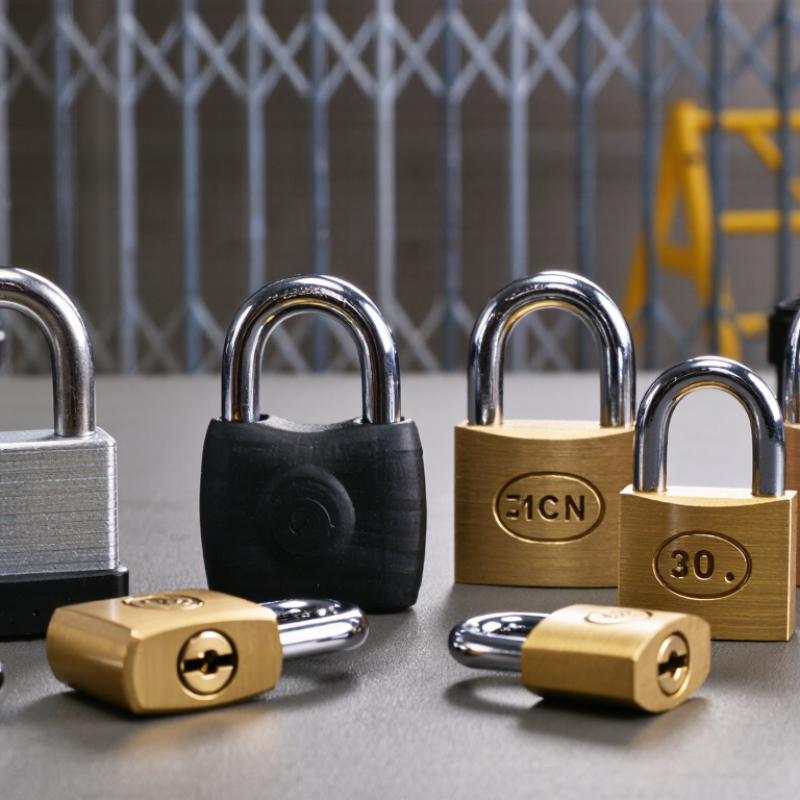
EN 12320 classifies padlocks into six security grades, from Grade 1, the lowest, to Grade 6, the highest. The grades come from standardised tests, not from appearance or shackle thickness alone. Depending on the requirements assessed, testing can examine resistance to physical attack, key-related security, and durability. A compact lock can earn a stronger grade than a bulky one.
For buyers, the grade offers a useful comparison when choosing a heavy-duty lock. A Grade 6 padlock is designed to meet more demanding resistance requirements than a Grade 2 model, but that does not make it suitable for every gate or storage unit. Check that the product documentation identifies the EN 12320 grade and applies to the exact lock being considered. Fit matters, too. A strong lock attached to a weak hasp may leave the whole setup vulnerable.
Look at the shackle clearance, the body material, and how neatly the lock fits its fixing point. A tight fit can limit leverage; exposed gaps can invite attack. Keep in mind that laboratory tests cannot recreate every weather condition, maintenance habit, or installation mistake. That limitation is easy to overlook. Grades help narrow the choice, but they are not a substitute for checking the complete locking arrangement.
Which Lock Type Fits the Threat: Padlock, Chain, or U-Lock?
What Is the Best Heavy Duty Lock in 2026?
The best choice depends on what you are securing, where it sits, and how much room an attacker has to work. A heavy lock cannot compensate for a weak gate or a loose anchor. Fit matters. Check the lock’s independent security rating, weather protection, and resistance to cutting or prying. Ratings help compare models, but they do not predict every real-world attack.
A padlock works well on a sturdy hasp, storage door, or fixed gate. Choose a close-fitting shackle with little exposed space; extra clearance can give tools more leverage. For securing equipment to a fixed object, a hardened chain offers flexible reach. Look for thick links and keep the chain off the ground, where it is easier to attack. That can be awkward in daily use, and I would not choose a chain just because it looks substantial.
A U-lock is often a better fit for bikes or equipment with a frame that can sit close to a fixed rack. Its rigid shape limits leverage, but only if the opening fits tightly around both the item and anchor. Measure before buying. A U-lock that is too small may not fit; one that is too large leaves more room for tools. No lock is magic. Consider the target, exposure, and anchoring point together.
How to Compare Shackle Dimensions, Steel Construction, and Key Control
What Is the Best Heavy Duty Lock in 2026?
A heavy-duty lock only works well when its shackle fits the hasp. Measure the opening’s inside width and height, then check the shackle’s diameter and usable clearance. Leave room for the lock to close without forcing it. On a gate, even a few millimeters can decide whether a thick shackle fits. Bigger is not always better. A shackle that barely clears the hasp may be awkward to secure and easier to leave improperly closed.
Steel construction deserves close attention. Look for clear information about the shackle and body materials, heat treatment, and corrosion protection. Hardened steel can resist cutting better than softer steel, but construction details matter more than a tough-sounding label. Check whether the lock is intended for indoor or exposed outdoor use. Rain, grit, and freezing conditions can affect operation over time. I still find material descriptions confusing when manufacturers provide no test details, so treat broad performance claims cautiously.
Key control matters when several people share access. Ask whether duplicate keys can be restricted, how replacement keys are authorized, and whether a key record is available. Keep the number of working copies low, and store spares securely. Restricted duplication can improve control, but it does not make a lock impossible to defeat. Match the lock to the hasp, exposure, and access routine. A lock that is inconvenient may get left unsecured.
What Is the Best Heavy Duty Lock in 2026? — How to Compare Shackle Dimensions, Steel Construction, and Key Control
| Lock design | Typical shackle dimensions* | Steel construction to look for | Key control | Best suited to | Main trade-off |
|---|---|---|---|---|---|
| Short-shackle, close-fitting padlock | Often about 8–12 mm shackle diameter; roughly 10–25 mm vertical clearance | Hardened alloy-steel shackle; a robust steel or reinforced body. Check whether the shackle is hardened throughout. | Choose a restricted or registered key system when unauthorized key duplication is a concern; confirm the actual duplication policy. | Compact hasps and installations where there is little room to attack the shackle. | Limited clearance may make it incompatible with thick hasps, chains, or recessed fittings. |
| Closed-shackle or shrouded padlock | Commonly around 8–12 mm diameter, with relatively low exposed clearance; exact opening varies by design. | Look for a hardened-steel shackle and a shroud that physically limits access to it. A shroud does not make the lock immune to cutting. | Keyed-different locks give each lock its own key; keyed-alike sets share a key. Confirm whether keys can be copied and who can authorize copies. | Hasps designed for a close-fitting lock and locations where reducing exposed shackle is a priority. | The shroud can restrict fit and make some hasps awkward to use. |
| Boron-alloy-shackle padlock | Often about 8–12 mm diameter; clearance depends on whether the shackle is standard, short, or long. | Boron-alloy steel can be hardened for wear and cutting resistance. Compare the stated material and heat treatment; the alloy name alone does not establish overall security. | Available with different key arrangements. For managed sites, check for controlled duplication and documented key records. | Applications needing a strong shackle while retaining more clearance than a fully shrouded design may provide. | More exposed shackle can provide an attacker with better tool access than a close-fitting shroud. |
| Long-shackle padlock | Shackle diameter commonly about 6–10 mm; vertical clearance can be roughly 40–75 mm or more. | Check the shackle material and hardness. Longer exposed shackles may flex more and give cutting tools more room than short or shrouded designs. | Key control depends on the cylinder and key system, not on shackle length. Ask about authorized duplication and replacement keys. | Wide hasps, gates, or fittings that require extra reach. | Extra reach generally means more exposed shackle; use only when the installation requires it. |
| Discus-style padlock | Often about 8–10 mm shackle diameter, with a compact opening; measure the specific model and hasp. | Typically uses a stainless-steel or hardened-steel body with a mostly recessed shackle. Verify the listed body and shackle materials separately. | Keyed-different, keyed-alike, and restricted-key options vary. Confirm which options are offered for the lock selected. | Compatible hasps and storage units where a round, compact body and reduced shackle exposure are useful. | The compact opening may not fit thick hasps or chains; the shape alone does not establish a security rating. |
| Key-retaining, keyed-alike, or managed-key system | Not a shackle type: select the shackle diameter and clearance to match the installation. | Construction varies. Assess the shackle, body, locking mechanism, and any independent test or certification information. | Key-retaining designs keep the key captive while unlocked; keyed-alike sets use one key for several locks; managed systems may limit duplication and track assignments. | Sites where key accountability, shared access, or reducing lost-key risk matters. | Convenience and key-management features do not by themselves improve resistance to physical attack. |
*Illustrative ranges only. Dimensions vary by model and manufacturer; verify product measurements before ordering.
How to Match Certified Ratings and Lock Design to Your Use Case
What Is the Best Heavy Duty Lock in 2026?
The best heavy duty lock is the one whose tested rating fits its job. A padlock securing a garden gate faces different risks than a cylinder protecting a workshop door. The FBI’s 2023 Crime in the Nation report recorded 847,522 reported burglary offenses in the United States. That figure cannot predict risk at one property, but it underlines why the whole entry point matters—not just the lock.
For padlocks, check whether performance claims reference ASTM F883, which sets test requirements for padlock performance. For high-security cylinders, UL 437 evaluates resistance to specified forms of attack. Read the exact rating and intended use; “heavy duty” alone is not a certification. A hardened shackle may resist cutting, yet a thin hasp or exposed mounting bolts can remain the weak point. Measure the opening, inspect the door or gate, and consider weather exposure and how often the lock will be used. A top rating can still be a poor fit.
Tips: Match the shackle to the hasp, keep the body close to the mounting point, and choose corrosion-resistant materials outdoors. Check that the lock closes smoothly with gloves on. Ratings help, but installation details are easy to overlook—and I would not assume one lock suits every entrance.


