How to Choose the Best Air Purifier for Home Use?
Choosing the right air purifier for home use is essential for maintaining a healthy living environment. Dr. Jane Smith, an expert in indoor air quality, emphasizes, “A quality air purifier can greatly reduce airborne toxins.” This statement captures the importance of making informed choices.
When selecting an air purifier for home, consider factors like filter type and room size. HEPA filters are known for trapping tiny particles, while activated carbon filters help with odors. It’s also crucial to assess the air purifier's Clean Air Delivery Rate (CADR). Understanding these features can significantly impact your decision and overall air quality.
Many consumers overlook maintenance needs and noise levels. Some models may seem effective but require frequent filter changes or are too loud for daily use. An air purifier for home should not just purify air; it should fit seamlessly into your lifestyle. Balancing effectiveness with convenience is key. Reflecting on personal needs can guide you toward the most suitable choice.

Understanding the Importance of Air Quality in Home Environments
Air quality in our homes is often overlooked. Many people assume that indoor air is clean. However, indoor pollution can be two to five times worse than outdoor air. Sources of indoor pollutants include dust, mold, pet dander, and volatile organic compounds. These elements can lead to respiratory issues, allergies, and even long-term health problems.
Understanding these risks is crucial. Poor air quality affects sleep and concentration. It can even impact mental well-being. Without proper filtration, harmful particles remain suspended in the air, making it difficult to breathe. Regular cleaning and ventilation help, but they may not be enough. Investing in an air purifier becomes a practical solution for most homes.
Not all air purifiers are created equal. Choosing the right one requires knowledge about their mechanisms. HEPA filters, for instance, capture particles as small as 0.3 microns. However, some units may be noisy or consume excessive energy. Reading reviews and checking certifications can help make an informed decision. It is essential to remember that maintaining air quality is an ongoing process, not just a one-time fix.
Key Features to Consider When Selecting an Air Purifier
When selecting an air purifier, several key features deserve your attention. Filtration is paramount. HEPA filters are effective in trapping allergens like dust and pet dander. Look for models that include pre-filters too. They capture larger particles, prolonging the life of the HEPA filter. Multi-stage filtration systems provide comprehensive air cleaning.
Air changes per hour (ACH) is another critical factor. This metric shows how many times the purifier can circulate the entire room's air in one hour. A higher ACH is ideal for larger spaces. Noise levels matter as well. Some purifiers operate quietly on low settings, making them suitable for bedrooms.
Consider additional features like smart sensors. These can adjust purification levels based on air quality in real-time. But remember: more features can sometimes complicate use. It's essential to strike a balance. Additionally, maintenance should be easy. Check how often filters need replacement and their associated costs. Reflect on your unique needs, like allergies or smoke in the home. Not all purifiers suit every situation.
HEPA Filters vs. Other Filtration Technologies: What You Need to Know
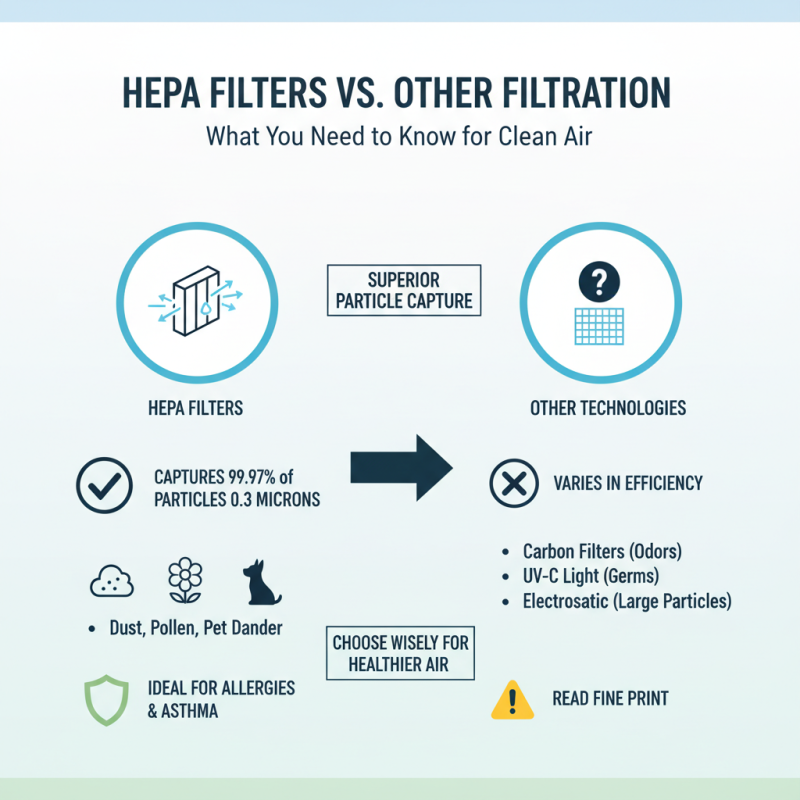
When selecting an air purifier, understanding filtration technologies is crucial. HEPA filters are popular for a reason. They capture at least 99.97% of particles that are 0.3 microns in size. This includes dust, pollen, and pet dander. If allergies or asthma are concerns, HEPA filters are often the best choice.
However, other filtration types exist. Activated carbon filters excel at removing odors and harmful gases. They work by adsorbing pollutants onto their surface. UV light purifiers kill germs but may not capture particles effectively. Remember, these technologies can complement HEPA filters in some units, enhancing overall performance.
**Tips:**
Consider the room size where the air purifier will be used. Check the Clean Air Delivery Rate (CADR) for each filter type. Don't overlook noise levels if you're sensitive to sound. Regular maintenance is key; changing filters on time ensures optimal function. A well-informed choice strengthens your home's air quality.
Evaluating the CADR Ratings: How to Measure Air Purifier Efficiency
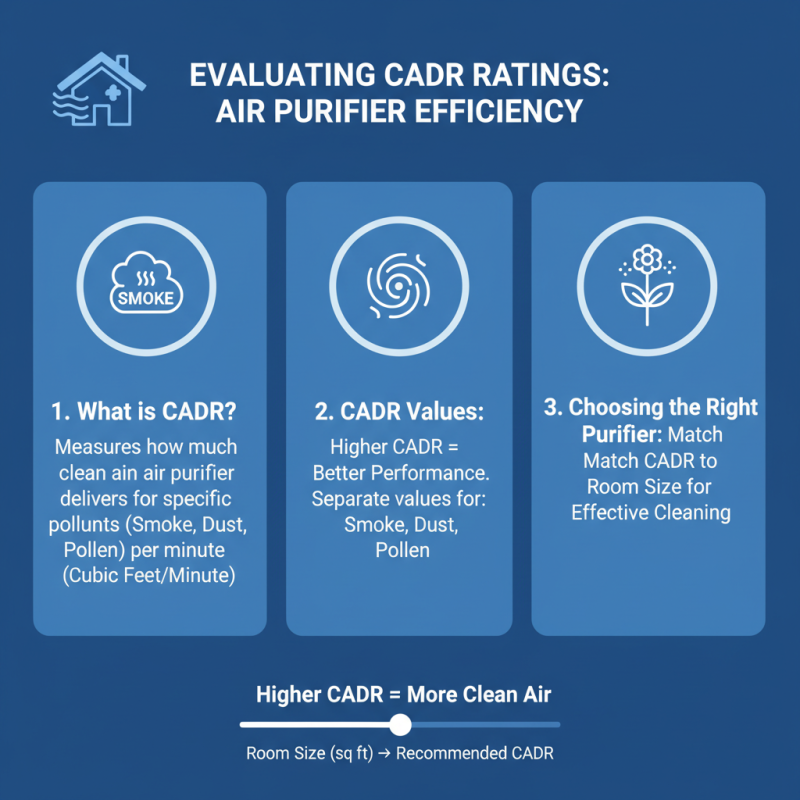
When selecting an air purifier for your home, understanding the Clean Air Delivery Rate (CADR) is crucial. CADR measures how effectively an air purifier can remove specific pollutants like smoke, dust, and pollen from the air. Each type of allergen has its own CADR value, indicating how many cubic feet of air the purifier can clean per minute. A higher CADR rating generally means better performance. For effective results, choose an air purifier with a CADR rating that fits the size of your room.
Tips for evaluating CADR ratings include checking the required room size. Match the CADR with the area you want to purify. If your room is 200 square feet, look for a CADR of at least 200. Also, consider the type of allergens prevalent in your home. If you have pets, higher CADR for pet dander is essential. Don't forget noise levels; some units can be quite loud, impacting your comfort.
Remember, a higher CADR doesn’t guarantee perfection. Be mindful of your specific needs and the type of filter. HEPA filters capture smaller particles but may not remove odors effectively. Reflect on your home environment and lifestyle when making a choice. Each option has trade-offs, and it’s critical to find a balance that suits your preferences and health requirements.
Assessing Noise Levels and Energy Consumption in Air Purifiers
When evaluating air purifiers, noise levels are crucial. Many people seek a quiet environment, especially during sleep. Air purifiers generate sound, primarily from their fans.
A model that operates at a low decibel level is ideal for bedrooms.
The sound can be compared to a whisper if the unit is effective yet quiet. Some might prefer white noise for better sleep, while others need silence. Assess your space and choose accordingly.
Energy consumption also affects long-term costs. An efficient purifier may cost more initially but save money over time.
Look for models with Energy Star ratings. They consume less power, especially when used continuously. Consider using timers or smart features to enhance efficiency.
But don’t ignore the balance between performance and energy use. Some powerful models may draw more energy, leading to higher bills. Understanding both aspects can prevent unpleasant surprises.