Top 10 Ordinary Plywood Manufacturers in China
China remains a major source of panel products for furniture, construction, packaging, and interior projects. This guide introduces ten Ordinary Plywood manufacturers worth examining, based on production capability, product consistency, export experience, and buyer feedback. The selection is not a simple popularity contest. Manufacturing scale matters, but so do veneer quality, core alignment, surface sanding, and moisture control.
Reliable evaluation requires practical checks. Buyers should request recent test reports, factory photographs, product specifications, and sample panels before placing large orders. A well-made sheet should show even layers, limited core gaps, clean edges, and stable thickness. Glue performance also deserves attention, especially when plywood will face humidity or repeated handling. Certifications can support confidence, but they should be verified through current documents and recognized issuing bodies.
Every manufacturer has strengths and limitations. Some offer competitive pricing and flexible customization, while others focus on higher-grade panels or export compliance. Supplier information may also change over time. That is why this list should support further investigation, not replace it. A sample may look excellent while revealing problems after cutting, laminating, or exposure to moisture. Small details matter. This article compares production focus, common applications, quality practices, and communication reliability, helping importers and project managers build a more realistic shortlist of China’s Ordinary Plywood suppliers. The ranking is useful, but not perfect.
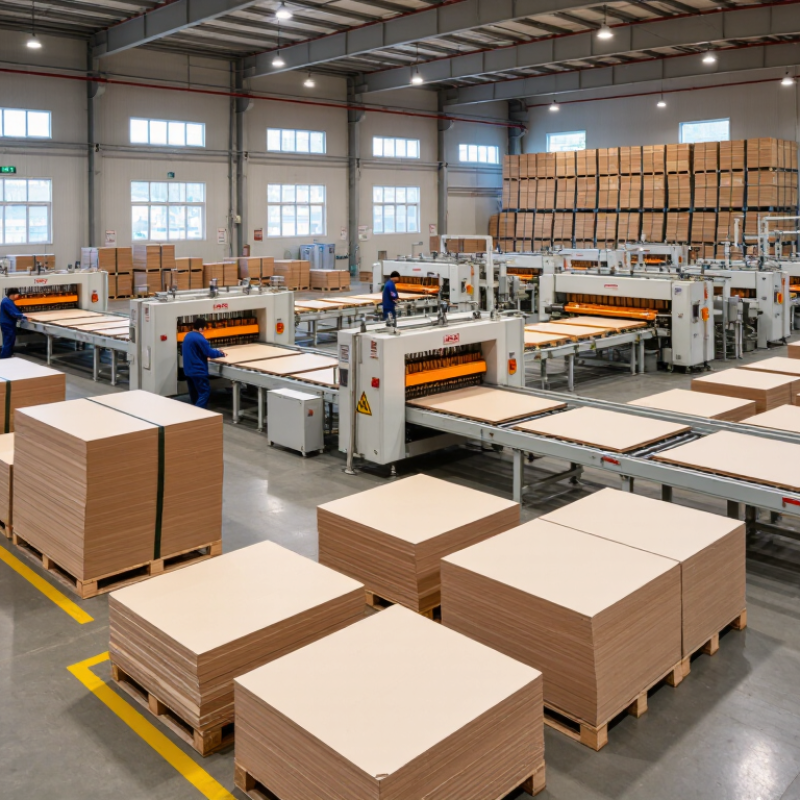
Ordinary Plywood: Composition, Grades, and Common Applications
Ordinary plywood is made from thin wood veneers, usually peeled from poplar, eucalyptus, birch, or mixed hardwood logs. The veneers are cross-laminated, then bonded with adhesive under heat and pressure. This structure reduces warping and gives plywood better strength than a single wood board. FAO’s Global Forest Resources Assessment 2020 records 4.06 billion hectares of forest worldwide, making responsible fibre sourcing a practical concern, not a decorative claim.
Grades describe appearance, defects, and suitability. In common face-grade systems, A faces are cleaner, while B, C, and D faces may contain knots, patches, or open defects. Construction panels often use an A/C or B/C combination. Moisture resistance depends mainly on glue type, veneer quality, and pressing control. A “water-resistant” panel is not automatically suitable for constant outdoor exposure. That mistake appears often in purchasing.
In China, ordinary plywood is widely used for furniture backs, cabinet interiors, packaging, partitions, ceilings, and temporary formwork. The FAO Forestry Production and Trade database shows China as one of the world’s largest plywood-producing countries, with output measured in tens of millions of cubic metres annually. Market estimates from Grand View Research also identify Asia-Pacific as the dominant plywood region. These figures support strong manufacturing capacity, but they do not prove uniform quality. Buyers should inspect thickness tolerance, core gaps, formaldehyde test results, and bonding performance. Small details matter. Some specifications still need rechecking.
Criteria for Evaluating Chinese Ordinary Plywood Manufacturers
Evaluating ordinary plywood manufacturers in China requires more than comparing catalog prices. A reliable assessment starts with raw material control. Inspect veneer species, core thickness, moisture levels, and visible gaps. A factory should explain its sourcing records clearly. Vague answers deserve caution.
Bonding quality is equally important. Ask about adhesive type, pressing temperature, pressing time, and panel thickness tolerance. Independent laboratory reports can support claims about strength and emissions. However, one test sheet never represents every production batch. Request recent samples from different dates. Use a moisture meter and inspect the edges yourself.
Factory experience also appears in small details. Check whether workers follow written inspection procedures. Review records for sanding, grading, repairs, and rejected panels. Traceable batch numbers make complaints easier to investigate. Production capacity should match the promised delivery schedule, not just the factory’s largest monthly figure. A clean warehouse looks reassuring, but it does not prove stable quality. I once valued presentation too highly and overlooked inconsistent core alignment. That mistake remains worth remembering.
Communication is another practical criterion. Technical staff should answer questions with measurements, not broad promises. Confirm packaging strength, loading methods, replacement policies, and documentation before placing an order. Reliable manufacturers welcome reasonable audits and explain limitations openly. No supplier is flawless. The stronger candidate is usually the one that records problems, corrects them, and provides evidence of improvement.
Profiles of the Top 10 Ordinary Plywood Manufacturers in China
Top 10 Ordinary Plywood Manufacturers in China
Profiles of the Top 10 Ordinary Plywood Manufacturers in China
The first four manufacturers typically serve furniture, packaging, and interior projects. Their profiles often show rotary-cut veneers, hot pressing, and standard thickness options. Experienced buyers should inspect core alignment, surface flatness, and moisture control. A factory with modern equipment is useful, but daily process discipline matters more. Some facilities offer customized dimensions, while others focus on stable bulk production.
Manufacturers five through seven commonly emphasize affordable commercial plywood. Their production records may include poplar, eucalyptus, or mixed hardwood cores. The final three often compete through flexible order quantities, export experience, and responsive quality checks. Reliable profiles should mention inspection routines, formal specifications, and traceable packing procedures. However, online descriptions can sound stronger than actual performance. Samples remain necessary. A clean sample does not always represent every shipment.
Tips: Ask for recent test reports, veneer thickness details, and formal product tolerances. Check several sheets from different bundles. Confirm glue performance for the intended indoor use. Visit the production site when order value justifies travel. I would also record defects with photographs, because memory becomes unreliable during disputes. Independent inspection may seem costly, yet it can prevent larger losses. Be careful with unusually low prices. They may reflect thinner veneers, weaker cores, or inconsistent drying.
Product Quality, Certifications, Production Capacity, and Export Reach
Choosing among the top 10 ordinary plywood manufacturers in China requires more than comparing prices. Product quality begins with veneer selection, moisture control, and consistent glue application. During factory visits, inspect core gaps, panel flatness, sanding marks, and edge bonding. A clean warehouse with labeled batches also shows better process discipline. Details matter.
Certifications should match the destination market and product use. Look for valid FSC chain-of-custody records, ISO management systems, and test reports for relevant emissions or structural standards. Verify documents with issuing bodies, not only sales teams. Production capacity also needs practical checking. Ask about press size, veneer dryer numbers, monthly output, backup equipment, and quality inspection staffing. A large claim means little without stable delivery records. Some factories have impressive machinery but weak batch control. That is worth questioning.
Export reach reveals operational reliability. Review loading photos, port experience, container planning, packaging strength, and export markets served. Moisture-resistant wrapping and corner protection can prevent damage during long sea transport. Ask for recent inspection reports and references from comparable orders. Factory data may change seasonally, so one visit cannot prove everything. Independent inspections remain useful. A dependable manufacturer communicates delays early, corrects defects transparently, and keeps specifications consistent from sample to shipment. Export performance is not perfect, but honest records are more valuable than polished promises.
How to Compare Suppliers and Select the Right Manufacturer
Top 10 Ordinary Plywood Manufacturers in China: How to Compare Suppliers and Select the Right Manufacturer
A Top 10 list is only a starting point. The best manufacturer depends on your project, budget, and delivery schedule. Compare core thickness, veneer quality, adhesive grade, moisture resistance, and formaldehyde test results. Ask for recent production photos and independent inspection reports. A reliable supplier should explain its core materials clearly, not hide behind attractive catalogs.
Visit the factory when possible. Check veneer storage, pressing temperature records, sanding equipment, and panel packaging. Request samples from different production batches. Measure thickness at several points, inspect the edges, and look for bubbles or open joints. Small defects matter. They may become serious problems after cutting or installation. Confirm minimum order quantities, lead times, replacement policies, and export documents in writing. One weakness remains: sample quality may not represent every shipment.
Tips: Use the same specification sheet for all ten suppliers. Compare prices only after matching thickness, grade, packaging, and inspection terms. Ask suppliers to quote with moisture content and tolerance ranges included. A low price can reflect thinner panels or weaker glue. Keep communication records, approve a sealed reference sample, and arrange pre-shipment inspection before full payment. Good suppliers welcome measurable standards.