What Are the Top Zebra Window Blinds to Buy?
Choosing the right Zebra Window Blinds involves more than comparing colors and online prices. A well-made blind should balance light control, privacy, durability, and everyday comfort. In a bright living room, alternating sheer and solid fabric can soften harsh afternoon sunlight without making the space feel dark. In a bedroom, tighter fabric spacing may provide better privacy during the evening.
This guide examines the top Zebra Window Blinds to buy through practical, measurable criteria. We consider fabric quality, smooth operation, safety features, mounting options, cleaning requirements, and warranty support. We also look at how each blind performs in real rooms, where dust, changing sunlight, and uneven window frames can reveal weaknesses. Small details matter. A strong chain mechanism feels steady. Even fabric alignment looks more professional. Reliable sellers should provide clear measurements and honest product specifications.
No single blind wins for every home. That matters. A premium model may offer excellent construction but exceed a modest renovation budget. A less expensive option may look attractive yet require more careful handling. My comparison therefore avoids treating price as the only measure of value. It also recognizes that personal preferences can distort judgment, especially when appearance matters more than long-term performance. The final recommendations are intended as a dependable starting point, not an absolute rule. Before buying, confirm window dimensions, installation space, moisture exposure, and return policies. A few minutes of checking can prevent an expensive mistake.
Types of Zebra Window Blinds and How They Work
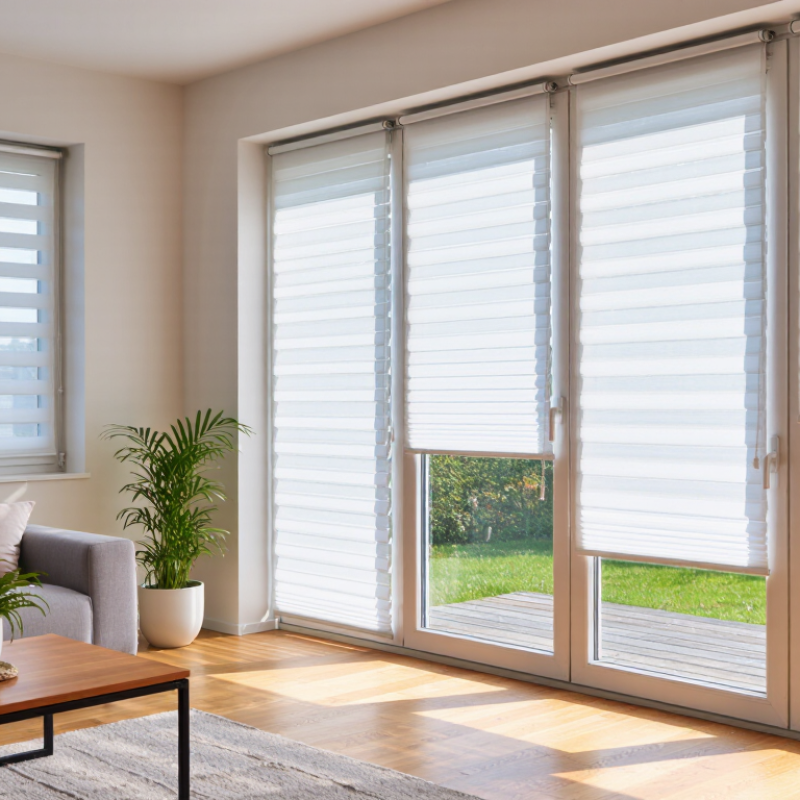
Zebra window blinds use alternating sheer and opaque fabric bands to control daylight. When the bands align, sunlight passes through softly. When they overlap, the room becomes more private and shaded. This simple sliding action makes them different from standard roller blinds. Light-filtering zebra blinds suit living rooms, home offices, and bright kitchens. They reduce glare while preserving a gentle outdoor view. Room-darkening versions use denser fabric and tighter construction. They work better in bedrooms, nurseries, and media rooms, although small side gaps may still admit light.
Manual zebra blinds operate with a chain or spring mechanism. Motorized models move through a wall switch, remote, or compatible control system. They can be useful for tall windows or several blinds installed together. Some fabrics resist moisture, making them practical near bathrooms, but ventilation still matters. Measure the window carefully, including the frame depth and handle position. A narrow frame may limit the available mounting style. I have found that fabric samples reveal texture and transparency better than online images. That detail is easy to overlook.
No blind performs perfectly in every room. Dark fabrics can show dust, while sheer bands may not provide complete privacy at night. Check the material, operating method, cleaning instructions, and safety features before buying. A reliable choice should fit the window, lighting needs, and daily routine rather than follow a trend.
Key Features to Compare Before Buying Zebra Blinds
What Are the Top Zebra Window Blinds to Buy?
Key Features to Compare Before Buying Zebra Blinds
The best zebra blinds are not chosen by appearance alone. Compare their fabric, light control, privacy, and operating system. Zebra blinds use alternating sheer and solid bands. Aligning these bands can soften sunlight without making a room completely dark. Light-filtering fabric suits living rooms and home offices. Blackout fabric works better in bedrooms, especially during bright mornings. However, “blackout” performance can vary around the edges. A small gap may still allow sunlight inside.
Measure each window carefully before ordering. Record the width at the top, middle, and bottom. Older frames are not always perfectly square. I once trusted one measurement and received a blind that rubbed against the frame. It worked, but not elegantly. Check the roller tube, bracket size, and mounting depth too. These details affect whether the blind sits inside or outside the window recess. Also compare chain, spring, and motorized controls. Choose a control that feels practical, not merely impressive.
Tips: Hold fabric samples near the glass at different times of day. Morning light can reveal glare that showroom lighting hides. Look for smooth band alignment and firm stitching. Ask about cleaning instructions before buying. Dust usually lifts with a soft brush or vacuum attachment. Avoid soaking the fabric unless the care guide clearly permits it. Consider child-safe control options and secure installation. A cheaper blind may save money initially, but weak hardware can create frustrating repairs later.
Best Zebra Blinds for Different Rooms and Window Sizes
The best zebra window blinds depend on the room, window size, and desired light control. These blinds use alternating sheer and opaque fabric bands. Adjusting the bands creates soft daylight or stronger privacy.
For living rooms, light-filtering zebra blinds work well on medium and wide windows. They reduce glare without making the space feel dark. Choose neutral fabric for warm walls and darker fabric for stronger contrast. In bedrooms, consider a room-darkening option with a close-fitting cassette. Morning light can still enter through side gaps, so precise installation matters. Kitchens and bathrooms need moisture-resistant fabric and easy-to-clean surfaces. Fabric texture matters more than many buyers expect.
Small windows suit compact blinds with slim headrails. They keep narrow frames from looking crowded. For wide windows, split blinds often operate more smoothly than one heavy unit. Extra brackets may prevent the headrail from bending over time. French doors need shallow fittings that avoid handles and frequent movement. Measure the glass, frame, and handle clearance separately.
I have measured many windows incorrectly by ignoring the inside frame depth. It is an easy mistake. Recheck every measurement before ordering. Cordless controls are practical around children and pets, while motorized controls help with high windows. Still, motors add cost and need reliable charging or wiring. Clean the fabric gently with a vacuum brush; harsh scrubbing can damage the alternating bands.
Materials, Light Control, Privacy, and Energy Efficiency
What Are the Top Zebra Window Blinds to Buy?
The best zebra window blinds balance fabric quality, light control, privacy, and daily usability. Most models use polyester, which resists moisture and keeps its shape better than many natural fabrics. Denser fabric usually blocks more sunlight, while lighter fabric creates a softer glow. I once selected a thin, pale material for a bright bedroom. That was a mistake. Morning light still entered through the closed shade.
Light control depends on how accurately the sheer and solid bands align. When adjusted carefully, these alternating sections can filter glare without making a room feel dark. For bedrooms, choose a room-darkening or blackout weave. Living rooms often benefit from a semi-sheer option. Privacy changes with the sun. During daylight, the closed sheer layer may obscure indoor details. At night, interior lights can reveal silhouettes. Test this before installation.
Energy efficiency also depends on window direction, glass quality, and installation gaps. A tightly fitted shade can reduce direct summer heat, especially on south- or west-facing windows. However, zebra blinds are not a complete insulation solution. Their performance is usually weaker than cellular shades with dedicated air pockets. Look for clear fabric specifications and tested thermal data, not vague efficiency claims. Measure the window twice, and check the headrail depth. Small gaps matter.
How to Choose and Purchase the Right Zebra Window Blinds
Choosing zebra window blinds starts with the window, not the color. Measure the inside width, height, and depth at least twice. Record the smallest width for an inside mount. A paper template helps.
Consider how each room works. Bedrooms usually need stronger privacy and softer light. Living rooms may benefit from wider sheer stripes and a clearer outside view. In bright rooms, choose fabric with UV protection to reduce fading. Check the openness of the sheer section, because a sample can look different near a sunny window. Small details matter.
Examine the operating system before purchasing. The blind should move smoothly without jerking or scraping the frame. A cordless design can improve safety around children and pets. Ask about moisture resistance in kitchens and bathrooms. Request fabric samples, installation instructions, and written warranty terms. Compare the measured size, material weight, and mounting hardware, not only the price.
Read recent customer feedback carefully. Look for comments about uneven stripes, noisy mechanisms, and difficult installation. I once measured only the top of a narrow window, and the blind fitted poorly below it. That mistake was avoidable. Check the frame at several points, especially in older homes. If the window is unusually wide, ask whether a center support or split blind is needed. Leave room for error.